
Exploring the historical evolution of gambling From ancient rituals to modern casinos
Exploring the historical evolution of gambling From ancient rituals to modern casinos
Gambling in Ancient Civilizations
The origins of gambling can be traced back to ancient civilizations, where games of chance were often intertwined with rituals and cultural practices. In ancient China, for example, gambling activities were recorded as early as 2000 BC, using rudimentary forms of dice made from animal bones. These games were not merely for entertainment; they held significant social and ceremonial importance, often serving as a means to predict future events or seek divine intervention. Today, when considering the gaming industry, many people often explore the best sweepstakes casinos for a more modern experience that still reflects these historical roots.

Similarly, the ancient Romans also embraced gambling, using it as a form of social engagement. Dice games and betting on gladiator fights were widespread, reflecting both the competitive spirit of the culture and the role of fate in society. These early forms of gambling laid the groundwork for the vast array of games we see today, highlighting the cultural importance placed on chance and luck across different societies.
The Middle Ages and Gambling Practices
The Middle Ages brought a shift in gambling practices, characterized by increased regulation and the emergence of organized games. During this time, games like chess and various card games began to gain popularity, with the latter often linked to nobility and courts. The invention of playing cards in Europe around the 14th century revolutionized gambling, leading to the development of games such as poker and blackjack that would later become staples in modern casinos.
Despite the growth in gambling popularity, many European societies viewed gambling with suspicion, often associating it with moral decay and vice. This led to a mix of regulation and prohibition, with some rulers banning gambling outright while others recognized the potential for revenue generation through taxation. This duality set the stage for the complex relationship with gambling that continues to evolve today.
The Birth of Modern Gambling and Casinos
The 17th century marked a pivotal turning point in the history of gambling with the establishment of the first official casinos. The Ridotto in Venice, opened in 1638, was one of the first regulated gaming houses, allowing the elite to indulge in gambling while the government maintained control over the activities. This model of state-sanctioned gambling soon spread throughout Europe, leading to the proliferation of casinos across the continent.
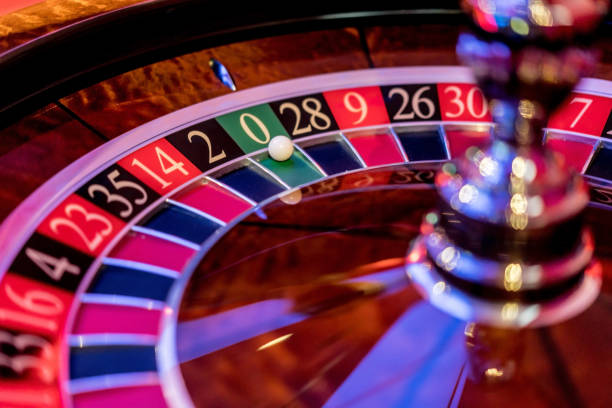
By the 19th century, gambling had firmly established itself as a popular form of entertainment, with the development of various games, such as roulette and baccarat. The emergence of Las Vegas in the 20th century further solidified the casino’s role in popular culture, transforming it into a symbol of entertainment and leisure. This evolution from informal betting to organized gaming establishments illustrated the changing perceptions of gambling in society.
Gambling in Different Cultures
The cultural differences in gambling practices are vast, reflecting the values and beliefs of each society. In some cultures, gambling is deeply ingrained as a traditional practice, while in others, it is often viewed as a vice. For example, in countries like Japan, pachinko parlors combine elements of gambling with entertainment, creating a unique gaming experience that reflects cultural preferences.
Conversely, many Islamic cultures prohibit gambling, viewing it as a form of exploitation. This dichotomy highlights how cultural contexts shape attitudes towards gambling, influencing regulations and the types of games that are popular. Understanding these differences is essential for comprehending the global landscape of gambling today, as they impact everything from legislation to the design of gaming experiences.
Community Engagement and the Role of Leyaca Williamsburg
The evolution of gambling has not only been about games and regulations but also about community engagement and cultural exchange. Platforms like Leyaca Williamsburg play a vital role in fostering connections within local communities. By providing resources and information about local events, Leyaca Williamsburg encourages individuals to engage with their neighbors and participate in community initiatives.
As gambling continues to evolve and adapt in modern society, understanding its historical roots and cultural variations enhances our appreciation of this multifaceted activity. Leyaca Williamsburg’s mission to promote community spirit aligns with the broader narrative of gambling, showcasing how traditions can adapt and thrive within a dynamic cultural landscape.