
Luck and skill which truly determines your casino success
Luck and skill which truly determines your casino success
The Role of Luck in Casino Games
Luck plays a pivotal role in the world of casinos, influencing outcomes in games of chance like slots, roulette, and craps. In these games, the result is often determined by random number generators or the roll of dice, leaving players with little control over the outcome. For many gamblers, the thrill of the unknown is what draws them to the casino, as each spin or roll could lead to a windfall. This element of surprise is crucial in creating an engaging atmosphere, making every visit unique and exciting. As players venture into these realms, they may also find themselves attracted to offshore casinos, which present a different set of opportunities and challenges.
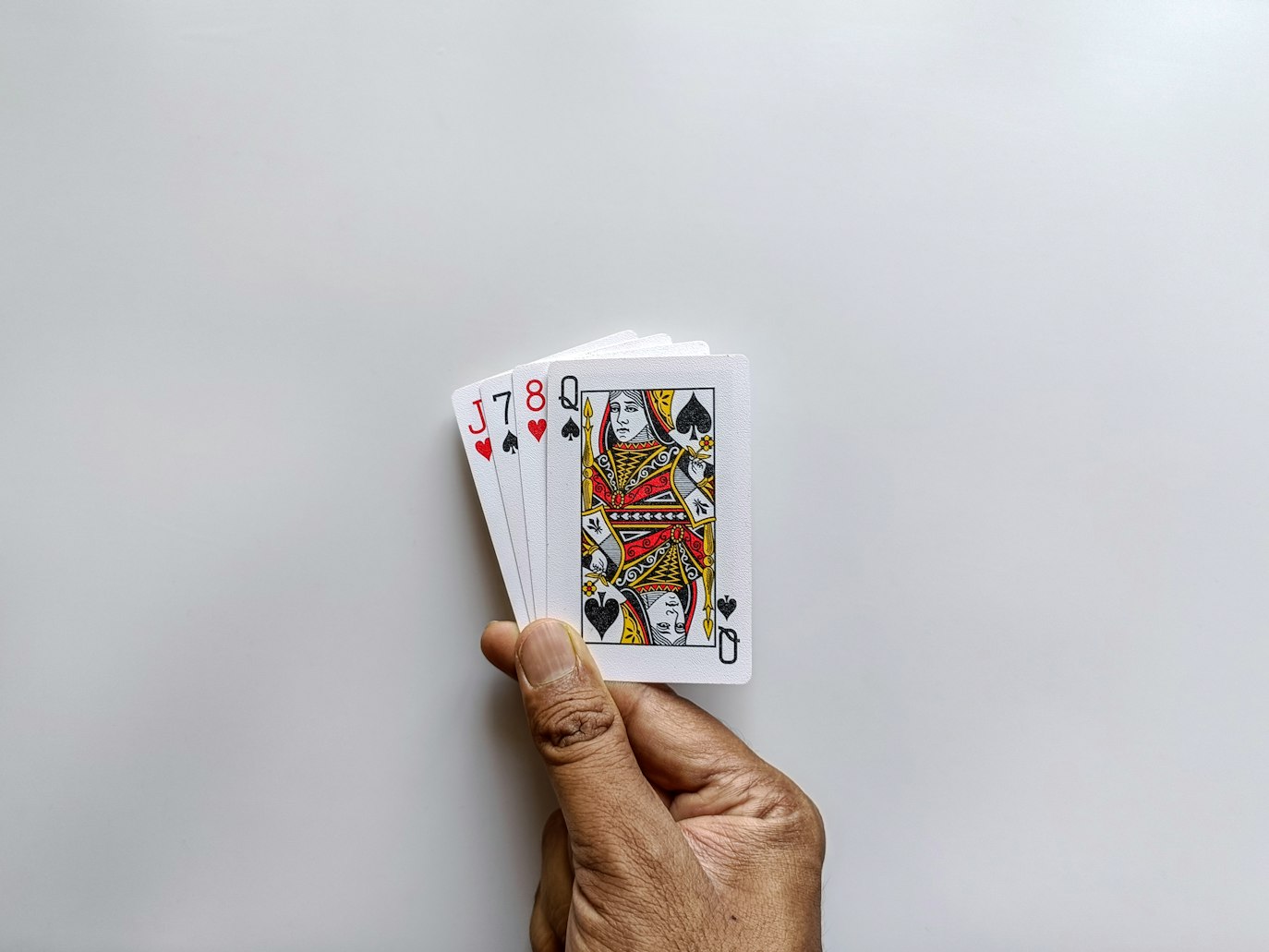
The randomness associated with luck can lead to short-term wins that may inspire a belief in one’s skill. However, it’s essential to understand that these wins are typically not sustainable in the long term. Players often experience the highs of winning streaks followed by the lows of inevitable losses, which highlights the unpredictable nature of luck in the gaming experience.
Skill-Based Games and Strategy
While luck is an undeniable factor in casino success, skill-based games like poker and blackjack introduce a different dynamic. In these games, players can leverage their knowledge and strategic thinking to improve their odds of winning. Understanding the rules, calculating probabilities, and reading opponents can significantly enhance a player’s chances, setting apart skilled gamblers from casual players.
Moreover, the ability to implement effective strategies, such as card counting in blackjack or mastering betting patterns in poker, can mitigate the role of luck. Players who take the time to develop their skills often find themselves more successful in the long run, as they can make informed decisions that maximize their potential for winning. This blend of skill and strategy adds depth to the gaming experience, making it not only about luck but also about intellectual engagement.
The Psychological Aspects of Gambling
Gambling success is also influenced by psychological factors that encompass both luck and skill. Players often exhibit cognitive biases, such as the gambler’s fallacy, where they believe that past outcomes will influence future ones. This misperception can skew their judgment and decision-making, causing them to rely on luck rather than skill. Understanding these psychological aspects can help players make more rational choices at the table.
Furthermore, the emotional highs and lows experienced during gambling can affect a player’s ability to think clearly. A winning streak might lead to overconfidence, while a series of losses could result in frustration. Managing one’s emotions and maintaining a balanced mindset is crucial for navigating the unpredictable landscape of casino gaming successfully.
Long-Term Success: Balancing Luck and Skill
To achieve long-term success in casinos, players must find a balance between luck and skill. Recognizing that luck will play a role in any gambling experience is vital, but relying solely on it can lead to disappointment. Instead, incorporating skillful strategies can enhance a player’s overall experience and chances of success.
Ultimately, successful gamblers understand that while luck can provide fleeting victories, developing a strong skill set and sound strategy is essential for sustainable success. This balanced approach allows players to enjoy the thrill of gambling while also maximizing their potential for winning.

Judicial Selection and the Casino Industry
While this article focuses on the dynamics of luck and skill in casino success, it’s worth noting that broader societal systems, including judicial selection, play a role in regulating and overseeing gambling practices. Understanding how laws and regulations shape the gambling environment can empower players to make informed decisions.
By staying informed about the judicial framework surrounding casinos, players can engage with the system more effectively, advocating for their interests and ensuring a fair and transparent gaming experience. Knowledge of these processes complements the understanding of luck and skill, providing a comprehensive view of the casino landscape.